Source sofa set cover for Home, Office, and Hotel Furniture Protection
Explore 30 verified options for sofa set cover solutions featuring elastic stretch, washable fabrics, and anti-static properties. Buyers can compare models like SC-7810 and ZTKJ060911 with varying weights, sizes, and customization availability from Zhejiang suppliers.
Key considerations
Products List




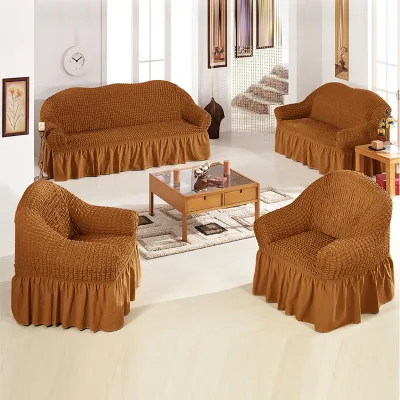

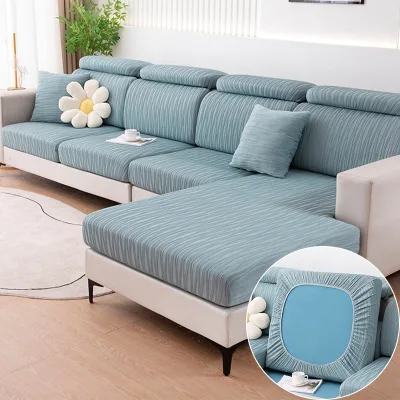
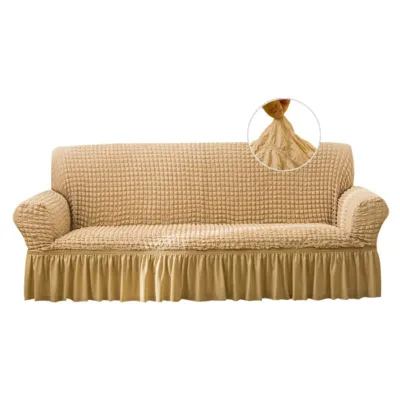
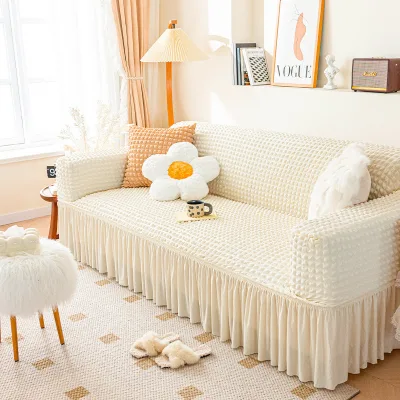


Comprehensive Sourcing Guide
Strategic Sourcing Guide for Sofa Set Covers
The global market for home textiles has seen a significant surge in demand for functional furniture protection, with sofa set covers emerging as a critical category for both residential and commercial procurement. Buyers seeking to source these items must navigate a landscape defined by diverse material compositions, varying elasticity requirements, and specific customization capabilities. This guide provides a comprehensive framework for evaluating sofa set covers, grounded in observed product attributes and industry standards, to ensure a procurement strategy that balances cost efficiency with quality assurance.
Technical Specifications and Material Composition
Understanding the technical specifications of sofa set covers is the foundational step in any sourcing strategy. The core functionality of these products relies heavily on the fabric composition, which dictates durability, stretch, and comfort. Analysis of available market data reveals a predominant reliance on synthetic blends, specifically polyester and spandex combinations. A common specification observed in high-performance covers involves a fabric composition of 95% polyester and 5% spandex. This ratio is engineered to provide the necessary elasticity required to fit various sofa dimensions while maintaining structural integrity over time.
In addition to the blend ratio, the weight of the product is a critical metric for logistics and perceived quality. Observed weight variations range from 0.43 kg to 1.200 kg per unit, depending on the size and density of the material. Lighter variants, such as those weighing 0.43 kg, are often associated with single-piece packaging and specific model numbers like SC-7810, suggesting a focus on portability or single-seater applications. Conversely, heavier units approaching 1.2 kg may indicate multi-piece sets or denser weaving intended for larger furniture. Buyers must verify the weight specifications against the intended application, as heavier fabrics often offer better resistance to wear and tear but incur higher shipping costs.
The sizing specifications are equally vital, as sofa dimensions vary widely across regions and manufacturers. Standard sizing categories typically include one-seater (90-140 cm), two-seater (145-185 cm), three-seater (190-230 cm), and four-seater (235-300 cm) configurations. Some suppliers offer specific model numbers, such as ZTKJ060911, which correspond to these dimensional ranges. When sourcing, it is imperative to match the product specification to the exact dimensions of the target furniture to ensure a snug fit that prevents slipping. The "High elasticity" feature is frequently cited as a key attribute, allowing the cover to adapt to sectional sofas and varying armrest shapes without tearing.
Design Aesthetics and Functional Features
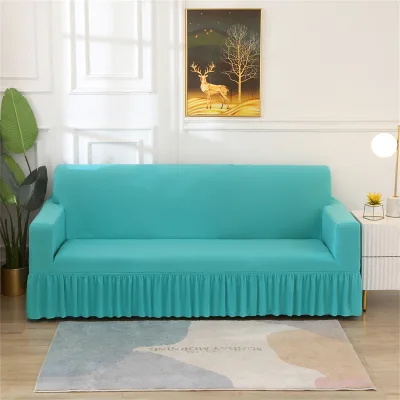
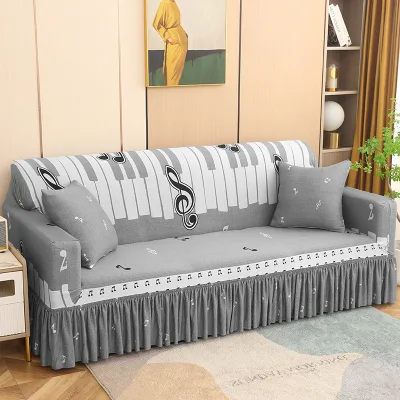
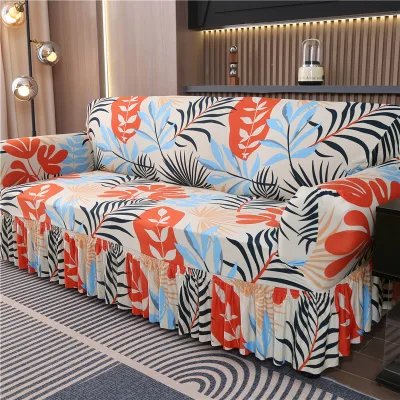
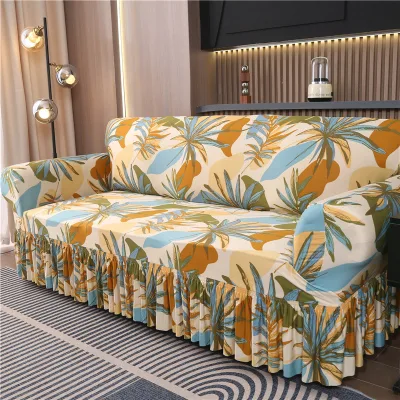
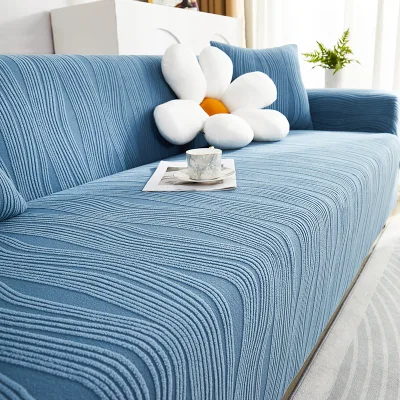
The aesthetic and functional design of sofa covers has evolved beyond simple protection to become a tool for home decoration. Market observations indicate a wide array of pattern types, ranging from plain dyed and solid colors to printed designs. The "Plain Dyed" and "Solid" patterns are often preferred for their versatility in matching existing interior decor, while "Printed" options cater to buyers seeking specific visual statements. Color palettes observed in the market include bright red, black, acid blue, wine red, cream, light brown, dark gray, dark blue, and deep purple, offering extensive customization potential.
Functionality is another primary driver in the selection process. Modern sofa covers are designed with features such as non-slip backing, anti-static properties, and breathability. The "Non-Slip" and "Elastic stretch" attributes are particularly important for preventing the cover from shifting during use, which is a common complaint with lower-quality alternatives. Furthermore, the "Washable" nature of these products is a standard requirement, with cleaning instructions often specifying both hand wash and machine wash capabilities. This ease of maintenance is a significant value proposition for end-users, particularly in households with children or pets.
Seasonality also plays a role in product selection. While some covers are marketed specifically for summer use due to their breathable nature, others are designed for "Four Seasons" use, implying a material thickness and thermal regulation suitable for year-round application. The style of the cover, whether "New Classical" or "Post-modern," should align with the overall design language of the furniture being covered. Buyers should prioritize products that explicitly state their function as "Home Furniture Sofa Set Cover" or "Household Decoration Protect Sofa" to ensure they meet the dual criteria of protection and aesthetics.
Cost Drivers and Pricing Dynamics
The pricing of sofa set covers is influenced by a complex interplay of factors, including material costs, customization levels, and order volume. The observed price range in the market spans from $0.90 to $1,000 USD, a vast disparity that reflects differences in product complexity, brand positioning, and order quantities. The lower end of the spectrum typically corresponds to basic, single-piece covers with standard packaging, while the higher end may involve premium materials, intricate printing, or bulk orders of complete sofa sets.
Minimum Order Quantity (MOQ) is a significant cost driver for buyers. Data indicates an MOQ range of 2 to 1,000 pieces, with specific products requiring 20 or 50 pieces as a baseline. For small retailers or startups, an MOQ of 20 pieces offers a lower barrier to entry, whereas larger buyers may negotiate lower unit costs by committing to volumes closer to 1,000 pieces. The packaging method also impacts the final cost; variations such as "1 PC/PVC Bag," "1 PC/Non-Woven PVC Bag," and "1 PC/OPP Polybag" suggest different levels of protection and presentation, which can influence the wholesale price.
Buyers must also consider the "Single package size," which affects logistics. A standard single package size of 40x30x10 cm is a common benchmark, but deviations can lead to increased shipping expenses, particularly for air freight. When calculating the total cost of ownership, procurement teams should factor in the unit price, shipping costs based on package dimensions, and any potential tariffs or duties associated with the origin location, which is frequently identified as Zhejiang, China.
Supplier Evaluation and Origin Verification
Selecting the right supplier requires a rigorous evaluation process that goes beyond price comparison. The origin of the product is a key indicator of manufacturing capability and supply chain stability. A significant portion of the market data points to Zhejiang, China, as a primary production hub. This region is known for its established textile infrastructure, which can offer competitive pricing and efficient production cycles. However, buyers should verify the specific factory location and capacity to ensure it aligns with their volume requirements.
Supplier credibility can be assessed by examining the consistency of their product specifications. Reliable suppliers will provide clear model numbers, such as SC-7810, SC-7813, SC-7804, SC-7812, and SC-7815, which serve as unique identifiers for their inventory. The availability of customization is another critical factor; suppliers that offer "Customization: Available" can tailor colors, patterns, and sizes to meet specific buyer needs, adding significant value to the partnership.
When evaluating potential partners, buyers should request detailed product samples to verify the claimed attributes, such as the 95% polyester/5% spandex blend and the elasticity of the fabric. It is also essential to confirm the "Selling Units" and "Production" details to ensure the supplier can deliver the required quantity within the expected timeframe. While specific lead times and certifications should not be assumed, buyers must explicitly request this information during the negotiation phase to mitigate supply chain risks.
Quality Control and Compliance Standards
Quality control is paramount in the home textile industry, where consumer expectations for comfort and durability are high. The "Standard" for packaging, such as "1 pc/PVC bag" or "1 pc/OPP polybag," serves as a baseline for product protection during transit, but the internal quality of the fabric must be independently verified. Buyers should implement a quality assurance protocol that includes checking for consistent stitching, color fastness, and the integrity of the elastic bands.
Compliance and certification checks are necessary to ensure that the products meet safety and environmental standards of the target market. While specific certification names are not universally listed in the provided data, buyers should verify that the materials used, particularly the polyester and spandex blends, comply with relevant international safety standards for textiles. This includes checking for restrictions on harmful substances and ensuring that the production processes adhere to labor and environmental regulations.
The "Cleaning Type" and "Feature" attributes, such as "Elastic Breathable Comfort," should be tested to confirm they perform as advertised. For instance, the claim of "Anti-static" properties should be validated through appropriate testing methods to ensure the product does not attract dust or cause discomfort. Additionally, the "Use Scope" as a "Resistant Furniture Protector" implies a certain level of durability that must be maintained over multiple wash cycles.
Long-Term Procurement Considerations
Sourcing sofa set covers is not merely a transactional activity but a strategic decision that impacts long-term business viability. Buyers should consider the scalability of their supply chain, ensuring that the chosen supplier can accommodate growth in order volume without compromising quality. The ability to offer "Customization" is a key differentiator that can help buyers adapt to changing market trends and consumer preferences.
Sustainability is an emerging consideration in the textile industry. While the provided data does not explicitly mention eco-friendly certifications, buyers should inquire about the environmental impact of the production process and the recyclability of the materials. The use of polyester, a synthetic fiber, raises questions about microplastic shedding during washing, which buyers may need to address through consumer education or product selection.
Finally, the relationship with the supplier should be built on transparency and clear communication. Establishing a clear understanding of the "Product name," "Keywords," and "Usage" ensures that both parties are aligned on the product's intended application. By maintaining a focus on technical specifications, quality control, and supplier reliability, buyers can build a resilient supply chain that delivers high-quality sofa set covers to the market consistently.
Conclusion
The procurement of sofa set covers requires a meticulous approach that balances technical specifications, aesthetic requirements, and cost efficiency. By focusing on the core attributes such as material composition, sizing, and functional features, buyers can make informed decisions that meet the needs of their customers. The observed market data highlights a diverse range of options, from basic plain dyed covers to complex printed designs with advanced elasticity. As the market continues to evolve, staying informed about supplier capabilities and quality standards will be essential for maintaining a competitive edge in the home textile sector.
FAQs
What materials are commonly used for sofa set covers?
Sofa set covers typically use a blend of 95% polyester and 5% spandex to ensure high elasticity and durability. Some variants may also be made from 100% polyester, offering a balance of comfort and structural integrity for various furniture types.
Which sizes are available for sofa set covers?
Standard sizes include one seater (90-140 cm), two seater (145-185 cm), three seater (190-230 cm), and four seater (235-300 cm). These dimensions are designed to fit sectional sofas and various household furniture configurations effectively.
Can I customize the color and pattern of the covers?
Yes, customization is available for these products, allowing buyers to select from colors like bright red, black, or deep purple. Patterns can range from plain dyed and solid to printed designs to match specific interior decor styles.
How do I clean and maintain the sofa set covers?
These covers are washable and can be cleaned via both hand wash and machine wash methods. This feature ensures easy maintenance for households, keeping the fabric fresh and free from dust while preserving its elastic properties.
What is the minimum order quantity for purchasing these covers?
The minimum order quantity ranges from 2 to 1,000 pieces depending on the specific supplier and product model. Some listings indicate a baseline MOQ of 20 or 50 pieces, allowing flexibility for small retailers or bulk buyers.
Where are these sofa set covers manufactured?
The primary production origin for these items is Zhejiang, China, a region known for its established textile infrastructure. This location supports competitive pricing and efficient production cycles for various home textile products.
What packaging options are provided for the covers?
Packaging varies by product and includes options like 1 PC/PVC bag, 1 PC/Non-Woven PVC bag, or 1 PC/OPP polybag. These methods ensure product protection during transit while maintaining a professional presentation for wholesale distribution.